![]() |
||||
|
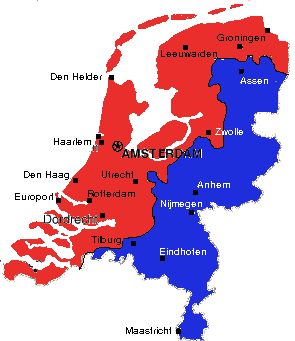
Amazingly almost half of the country lies below sea-level, up to six meters near Amsterdam.
The water determine the unique impression you get that makes up the Netherlands. Water is
the source of living in the Netherlands and a method of transport since centuries.
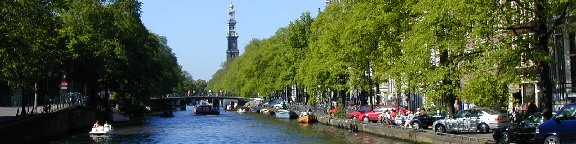
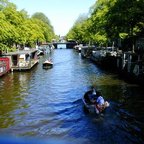
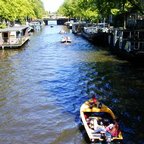
Water brought wealth to the Netherlands, water is omnipresent. A country criss-crossed by channels, were you go still today (e.g. Friesland) shopping or out with a boat.
But water is also the threat of the Netherlands. Approx. the red area in the map above is below three meters over sea level and would be under water if there were no dijks (dikes) to protect the country. Dikes are probably |
|
![]() |
![]() |
![]() |
![]() |
|
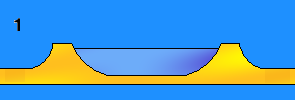
| older then 1000 years. To gain land the Dutch constructed polders. They build dijks made of stones and sand where that was necessary (figure 1). A area protected by dijks is called polder. To get the water out and gain land windmills were places on the dijks to pump out the water. In order to keep the polders dry from ground and rain water the windmills where used constantly (figure 2). Each polder has a team (still today) which constantly keeps the dijks in shape, and residents of a polder pay a polder tax for this work. In 1839 the first polder was dried by steam pump. Large polders were created in Purmer (1620), Beemster (1612), Schermer (1635), and Wormer (1626). Even the name the Netherlands means "low land". |
|
![]() |
![]() |
![]() |
![]() |
|
![]() |
![]() |
![]() |
![]() |
|
![]() |
||||
![]() |
![]() |
![]() |
![]() |
|
![]() |
![]() |
![]() |
![]() |
|
|
Klompen are shoes completely made from one piece of wood. There main
origin is Netherlands, were they are still worn today for garden work.
They were worn by poor people, especially those that had to do heavy and dirty work: farmers, construction worker, street cleaner, garden and forest worker, smiths, fishers, chemical factory workers and also house wives. |
|
![]() |
![]() |
![]() |
![]() |
|
![]() |
![]() |
![]() |
![]() |
|
![]() |
||||
![]() |
![]() |
![]() |
![]() |
|
|
|